When a large commercial truck is involved in a collision, the aftermath can be devastating. Apart from serious injuries and property damage, determining who is at fault is often much more difficult than in a standard car wreck.
Unlike a typical car accident involving two drivers, a commercial truck crash can involve a whole network of potentially liable parties. The driver, the trucking company, the vehicle manufacturer, and even the cargo loaders could all share some degree of fault. Due to this complexity, insurance companies for each party will work hard to shift blame and minimize their own liability.
Harris & Hart Attorneys at Law has seen firsthand how these situations can unfold. With over 50 years of combined litigation experience, their team provides genuine legal support to people across Overland Park, Kansas City, and the wider Kansas and Missouri regions. The firm's goal is to help you understand how multiple parties could be responsible for your injuries and how you can file a claim.
The firm is committed to investigating your case and developing a solid plan of action to help you pursue a fair resolution, backed by a proven track record of trial-tested success in over 10,000 cases. Reach out today to schedule a consultation.
Identifying Liable Parties in a Truck Wreck
After a trucking accident, the immediate focus is on getting medical attention. But soon after, questions about responsibility frequently arise. The truck driver might seem like the obvious person at fault, but the chain of liability often extends much further. Determining every party that contributed to the crash is a fundamental step in pursuing the compensation you deserve. The parties that could potentially be held responsible include the following:
The Truck Driver
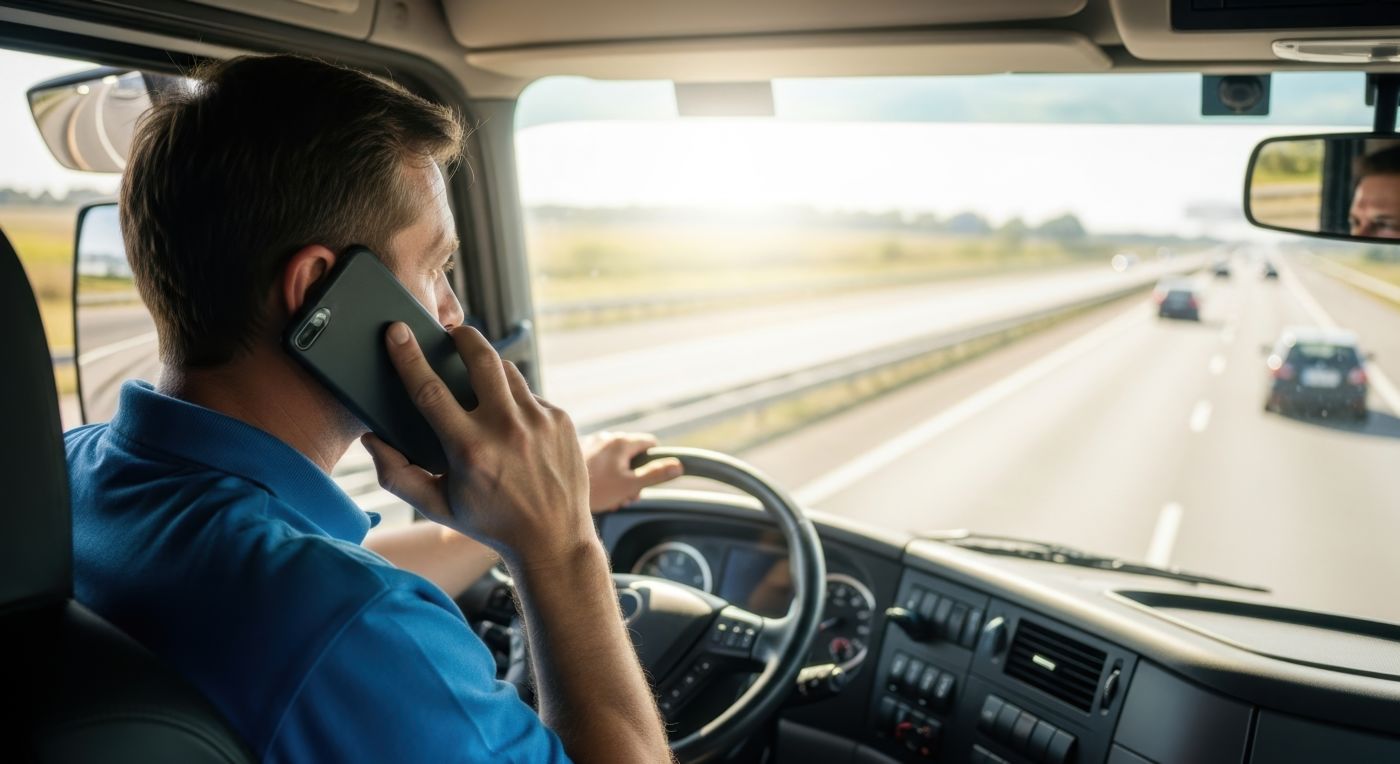
The person behind the wheel is the first and most direct point of examination. A driver can be found negligent for many reasons. Common examples include speeding, distracted driving, driving under the influence of drugs or alcohol, or violating federal hours-of-service regulations designed to prevent fatigued driving. Proving driver error often involves reviewing logbooks, cell phone records, and data from the truck's "black box" recorder.
The Trucking Company (Motor Carrier)
A motor carrier (i.e., the company that employs the driver) can be held liable for its own negligence, a concept known as direct liability. This could happen if the company failed to conduct proper background checks, hired a driver with a poor safety record, or did not provide adequate training. They might also be responsible for encouraging drivers to ignore safety rules to meet tight deadlines.
Additionally, under a legal principle called "vicarious liability," an employer is generally responsible for the negligent acts of its employees while they are on the job. If the driver's mistake caused the accident, the trucking company is typically also liable.
The Cargo Owner or Shipper
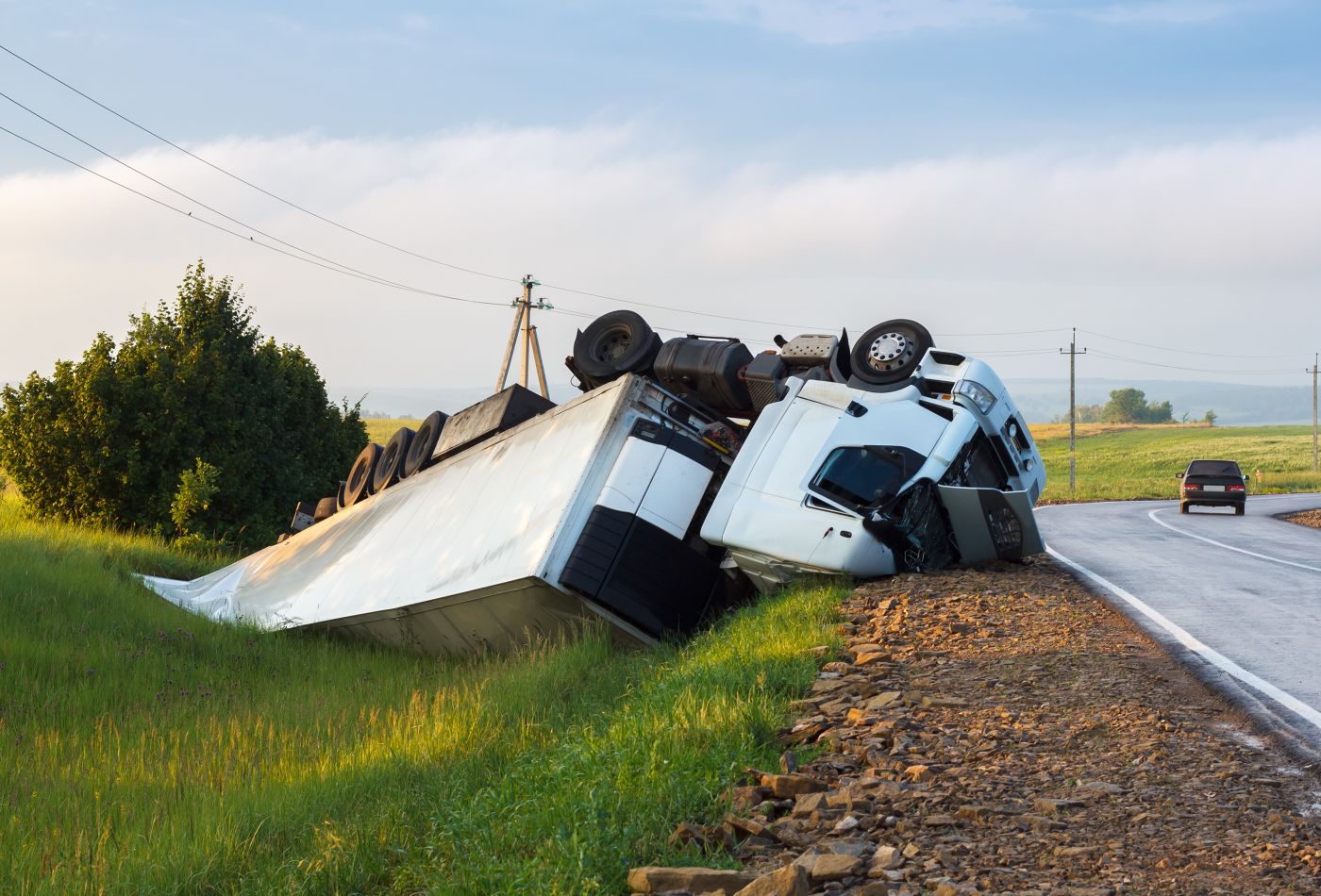
The company that owns the goods being transported can sometimes be at fault. This is especially true if the cargo was improperly loaded or secured. An unbalanced or shifting load can make a large truck incredibly difficult to control, leading to rollovers or jackknife accidents. If the cargo itself was hazardous and proper protocols were not followed, the shipper could also be liable.
The Maintenance Company
Many trucking companies outsource their vehicle maintenance to third-party repair shops. If a mechanical failure, such as brake failure or a tire blowout, caused the accident, the company responsible for maintaining the truck could be held liable. Proving this requires a detailed inspection of the vehicle and its service records to show that shoddy repair work or a failure to spot a defect contributed to the crash.
The Truck or Parts Manufacturer
Sometimes, the accident is not due to human error but a defect in the truck itself. A design or manufacturing flaw in the vehicle's steering, braking system, tires, or another critical component can lead to catastrophic failure on the road. In these product liability cases, the truck manufacturer or the specific defective part can be held responsible for the resulting harm.
Understanding Kansas and Missouri Comparative Fault Laws
When multiple parties are at fault, states have specific rules for assigning liability. Both Kansas and Missouri use a system of "comparative fault," but they apply it in slightly different ways. Understanding these differences is important for your claim.
Kansas follows a modified comparative fault rule. Under this system, you can recover damages as long as your percentage of fault is less than 50%. If you are found to be 50% or more at fault for the accident, you are barred from recovering any compensation at all. For example, if you are found to be 20% at fault, your total compensation award will be reduced by 20%.
Missouri, on the other hand, operates under a pure comparative fault system. This means you can recover damages even if you are found to be 99% at fault for the accident. Your total compensation will simply be reduced by your percentage of fault. If you were awarded $100,000 but found to be 90% responsible, you would still be able to collect $10,000.
These laws become particularly significant in multi-party truck accident claims. The defendants and their insurance companies will try to assign as much blame as possible to you to either reduce or completely eliminate their own financial responsibility. Having a legal team that can effectively argue against these tactics is vital.
The Importance of a Thorough Investigation
Since so many different parties can be involved, a prompt and thorough investigation is the bedrock of a strong truck accident claim. Evidence can disappear quickly. Logbooks can be altered, vehicle data can be erased, and witnesses' memories can fade.
Harris & Hart Attorneys at Law strives to help you preserve all relevant evidence right away. This includes sending spoliation letters to all potential defendants, legally requiring them to preserve evidence such as driver logs, maintenance records, and electronic data. They may also bring in accident reconstruction specialists to analyze the crash scene and provide an unbiased assessment of how the collision occurred.
By piecing together all the available information, the firm can help you build a clear picture of who is responsible and hold them accountable.
Truck Accident Attorneys Serving Kansas and Missouri
With more than 50 years of combined experience in insurance litigation and appeals, the attorneys at Harris & Hart Attorneys at Law are committed to helping those who have been injured in serious trucking accidents. Their attorneys understand the challenges of pursuing a claim when multiple parties may be at fault.
From their Overland Park office, the firm represents individuals and families throughout the Kansas City area and across both Kansas and Missouri. If you've been injured in a trucking accident, contact them today to schedule a consultation and discuss your case.