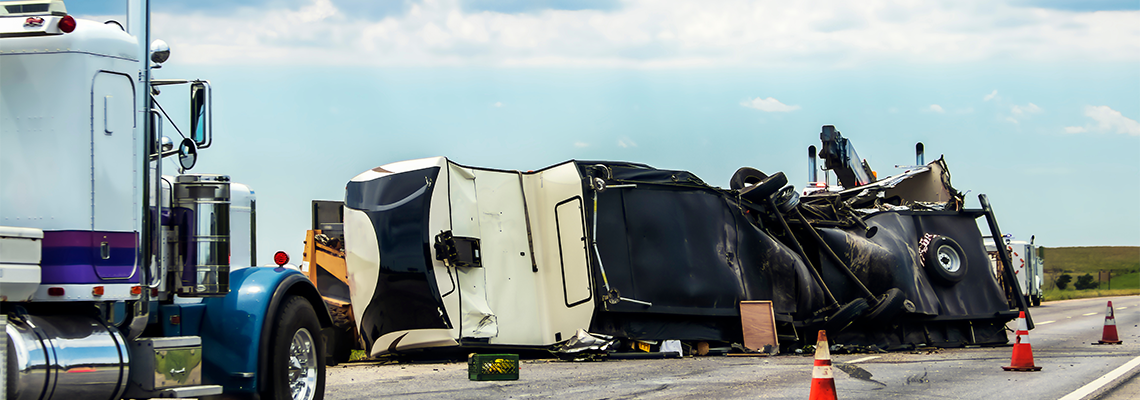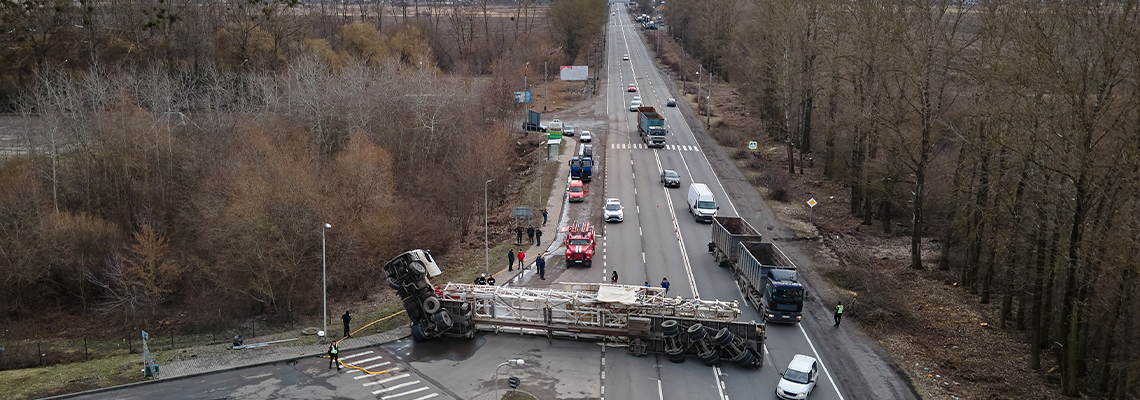
Trucking accidents often involve more than driver error. Internal rules, safety standards, and company-wide practices play a major role in determining what happened and who’s responsible. These trucking company regulations can directly impact how claims are evaluated, what evidence is available, and how liability is assigned.
If you are dealing with a trucking accident claim, legal guidance can make a meaningful difference. Based in Overland Park, Kansas, Harris & Hart Attorneys at Law is dedicated to helping you understand how trucking company policies can potentially influence your personal injury claim. If you have been involved in a trucking accident, reach out to us today to explore your options.
Driver Policies & Their Effect on Liability
Trucking companies create internal policies that drivers must follow every day. These rules often expand on federal and state trucking regulations, especially regarding safety practices.
When an accident occurs, investigators will examine whether the driver followed the company's rules. Violations can point to negligence, but they can also reveal broader issues within the company itself. Some key driver-related policies include:
Hours-of-service limits: These rules restrict how long drivers can operate without rest. Violations can indicate fatigue-related risk and company pressure to meet deadlines.
Drug and alcohol testing: Companies are required to conduct regular drug and alcohol screenings. Missed or poorly documented tests can raise questions about oversight.
Training requirements: Proper onboarding and ongoing training show whether a company has prepared its drivers to handle the realistic conditions of commercial trucking.
When these policies are reviewed, they can significantly shape how fault is determined. An experienced trucking accident attorney can help you review these policies and determine whether negligence or inaction contributed to the accident.
Maintenance Standards & Mechanical Failures
Commercial vehicles must meet strict safety standards, and failure to maintain them can lead to serious consequences. Routine inspections, repair schedules, and recordkeeping are all covered by trucking company regulations. When these processes aren’t followed, mechanical issues, such as brake failure or tire blowouts, can serve as evidence in your claim. The common maintenance-related factors that are often examined include:
Inspection protocols: Regular checks are required to identify worn or damaged parts before they become hazards.
Repair timelines: Delayed fixes can signal neglect, especially when issues are documented but not addressed.
Maintenance records: Missing or incomplete logs can weaken a company’s defense and suggest poor compliance practices.
When these records reveal gaps, they often shift attention from the driver to the company itself, which can bring the company's hiring and supervision practices under scrutiny.
Hiring Practices & Driver Oversight
A trucking company’s responsibility begins long before a driver gets behind the wheel. Hiring decisions and ongoing supervision play a major role in accident claims.
Under trucking company regulations, employers must review a driver's driving history before hiring, verify their qualifications, and monitor their performance. Failing to do so can expose the company to liability if an unqualified driver causes harm. The common hiring and oversight elements that could be reviewed if a trucking company is considered liable include:
Background checks: Reviewing a potential driver's past violations or accidents can help identify potential risks before hiring.
License verification: All drivers must hold the necessary valid commercial licenses for the vehicles they are required to operate.
Performance monitoring: Ongoing evaluations and disciplinary actions can reflect how seriously a company enforces its policies.
If a company overlooks warning signs or fails to act on repeated violations, that pattern can become a key argument in your personal injury claim.
Dispatch Practices & Operational Pressure
Dispatch decisions can directly influence a driver's behavior. Tight schedules, unrealistic delivery windows, and pressure to meet quotas can push drivers to take risks.
These operational choices are closely tied to trucking company regulations, particularly those involving hours-of-service compliance and safety expectations. When a company prioritizes speed over safety, it can contribute to unsafe driving conditions. The common operational issues that often arise include the following:
Unrealistic deadlines: Schedules that don’t allow for required rest breaks can lead to fatigue.
Communication records: Messages between dispatchers and drivers can reveal whether pressure was applied.
Route planning: Poor planning may force drivers into unsafe conditions or cause them to exceed their permitted hours.
By reviewing these factors, you can your attorney can identify whether the accident wasn’t just a momentary mistake but part of a larger pattern.
Building a Strong Claim Against a Trucking Company's Regulations
Accident claims involving commercial trucks rely heavily on documentation. From driver logs to maintenance records, these materials help establish whether trucking company regulations were followed. If you have been injured in a commercial trucking accident, the following types of evidence can help you strengthen your claim and identify whether a trucking company is liable:
Electronic logging device data: This tracks the driver's driving hours and rest periods.
Inspection and repair records: These show whether the vehicle was safe to operate.
Company policy manuals: These outline the company's expectations for the driver and can highlight any deviations.
Witness statements and crash reports: These can provide significant context about how the accident occurred and support your stated timeline of events.
An experienced attorney can use this evidence to identify gaps in compliance and connect them to the cause of the accident. By focusing on how trucking company regulations were applied or ignored, you can build a clearer picture of liability.
Contact an Attorney for Guidance After a Trucking Accident
Recovering from a trucking accident can be challenging, especially when the trucking company's policies and regulations significantly impacted the accident and, subsequently, your claim. However, a trucking accident attorney can help clarify your options and identify where violations occurred.
Harris & Hart Attorneys at Law is dedicated to helping trucking accident victims hold the responsible parties accountable and pursue compensation for their injuries. Located in Overland Park, the firm serves clients in both Kansas and Missouri. Reach out today to schedule a free consultation.