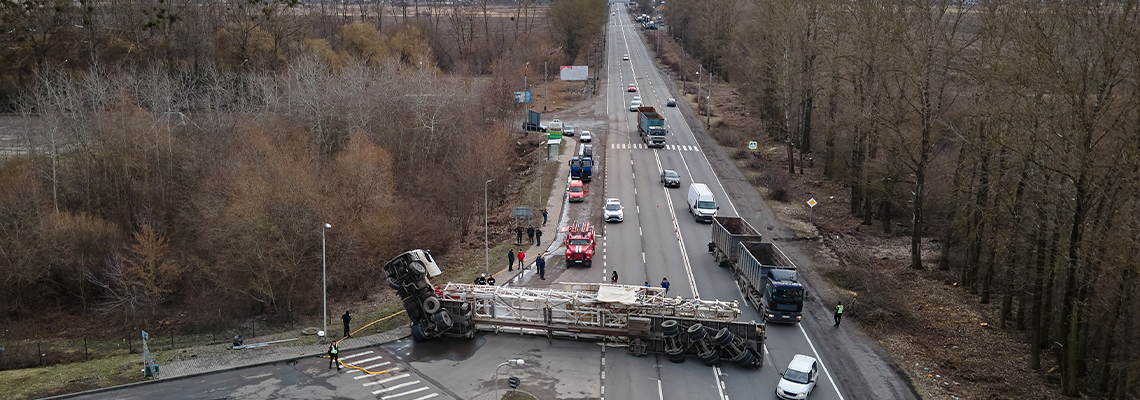
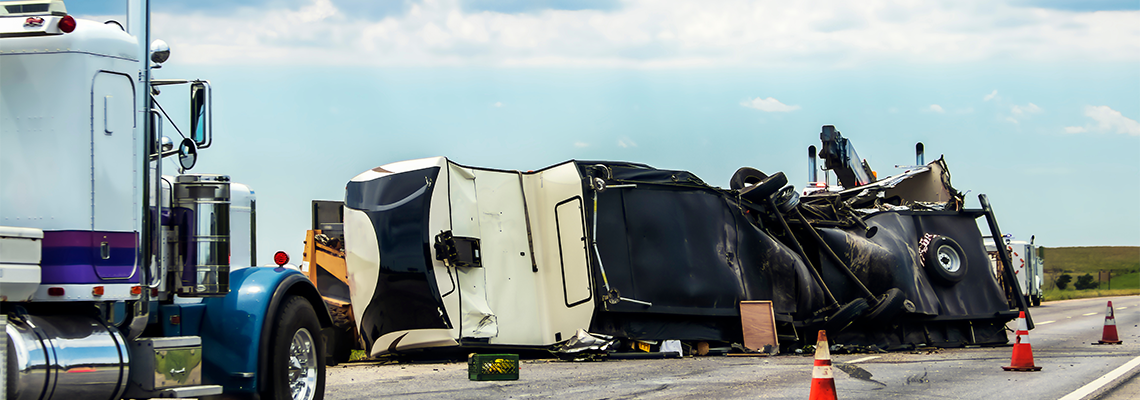
A serious collision involving a commercial truck can create significant challenges. These collisions often involve large vehicles traveling at high speeds, which increases the likelihood of severe injury and property damage.
If you have been involved in a truck accident, trucking insurance plays a critical part in determining who covers what and how claims are processed. Knowing how coverage applies after a crash can help you make informed decisions about pursuing compensation and understanding your rights.
Harris & Hart Attorneys at Law, based in Overland Park, Kansas, represents clients throughout Kansas City in personal injury cases, including trucking accidents. With experience handling claims where driver fatigue, hours-of-service violations, and commercial vehicle negligence cause serious injuries, the firm can help you understand your rights and pursue compensation.
The Basics of Trucking Insurance Coverage
Trucking companies and commercial truck drivers are required to carry higher levels of liability insurance compared to standard passenger vehicles. This is because commercial trucks, due to their size and weight, can cause catastrophic damage and serious injuries in the event of a collision.
Therefore, liability insurance for a trucking company can typically help cover bodily injury, property damage, and non-physical injuries such as trauma or loss of consortium.
Insurance Specifics for Trucks
The Federal Motor Carrier Safety Administration (FMCSA) requires commercial trucking companies to carry minimum insurance limits when operating. The requirements for these are based on factors such as the type of freight being transported and whether the trucking operations are interstate or intrastate. For example:
Trucks carrying general freight typically must have at least $750,000 in liability coverage.
Trucks carrying hazardous materials may be required to carry additional insurance coverage up to $5 million.
These high-value policies are in place to provide appropriate compensation to victims of trucking accidents for their injuries and losses. However, accessing these funds can be complicated, so it's important to consult an experienced attorney as soon as possible.
Multiple Parties May Be Liable
In trucking accident claims, it's common that multiple parties may be responsible for the collision. This can complicate the claims process and can make it difficult to determine whose insurance policy applies. Some potentially liable parties could include:
The truck driver: If the truck driver acted negligently, for example, by driving under the influence, speeding, or violating federal hours-of-service regulations, they may share responsibility for the collision.
The trucking company: Employers are often held liable for the actions of their drivers. Additionally, trucking companies may be negligent in their hiring practices, training programs, or vehicle maintenance.
The cargo loader: Improperly loaded cargo can cause a truck to become unbalanced and lead to accidents. If improper loading played a role, the company responsible for loading the truck could be held accountable.
The manufacturer: When defective truck parts, such as faulty brakes or tires, contribute to a crash, the manufacturer of those parts could bear liability.
Given the number of parties involved, trucking accident claims often require extensive investigations to identify all the contributing factors and hold all the responsible parties accountable.
Compensation Available in Trucking Accident Claims
If you have been injured in a trucking collision, securing compensation can make the difference between recovering physically and financially, or struggling under the weight of accident-related losses. Some types of compensation that you may be eligible for after a trucking collision include the following:
Medical expenses: This includes current and future medical costs associated with accident-related injuries, such as hospital stays, surgeries, rehabilitation, and ongoing care.
Lost wages: Serious injuries often prevent you from working temporarily or permanently. Compensation can cover lost income and diminished earning capacity.
Pain and suffering: You may be entitled to compensation for the physical pain and emotional suffering caused by the accident.
Property damage: This includes the costs of repairing or replacing a vehicle and other personal property damaged in the collision.
Wrongful death: If a loved one dies due to a trucking accident, surviving family members may be eligible for compensation through a wrongful death claim.
Maximizing these forms of compensation often requires a thorough understanding of insurance policies and extensive evidence to support the claim.
How to File a Claim Following a Trucking Accident
If you have been involved in a trucking accident and believe that another party is at fault, it is important to file a claim as soon as possible. Filing a claim can help you cover the costs of medical treatment, property damage, and other expenses related to the accident. The primary steps you should follow when filing a claim following a trucking accident include:
Seek medical attention: Seek medical attention for any injuries you sustained. Even if you do not think your injuries are severe, it is important to get checked by a healthcare professional. This will not only help ensure your own safety but also create documentation of your injuries, which can be used as evidence in your claim.
Contact the police: It is important to file a report with the police after any trucking accident. The police report will provide an official record of the accident and can be used as evidence in your claim.
Gather evidence: If you are able, gather as much evidence from the scene of the accident as possible. This can include photos of the vehicles involved, damage sustained, and any road conditions that may have contributed to the accident. You should also collect contact information for any witnesses who may have seen the accident occur.
Notify your insurance company: Notify your insurance company as soon as possible following a trucking accident. They will begin their own investigation and may provide you with guidance on next steps. It is important to cooperate with your insurance company, but avoid making any statements or signing anything without first consulting an attorney.
Hire a truck accident lawyer: Since trucking accidents often involve multiple parties such as trucking companies, drivers, and insurance companies, it is highly recommended to hire a truck accident lawyer to help you handle the accident. A skilled and experienced lawyer can help protect your rights and negotiate on your behalf for fair compensation.
If you are pursuing compensation following a truck accident, Kansas law imposes a statute of limitations for personal injury claims, which is typically two years from the date of the accident. Failing to file a claim within this time frame can result in being barred from recovering compensation.
Contact a Trucking Accident Attorney in Kansas City Today
Trucking accidents can result in devastating consequences, but trucking insurance coverage exists to help victims recover from their losses. However, navigating trucking insurance claims requires time, effort, and attention to detail. By working with an experienced legal team like Harris & Hart Attorneys at Law, you can focus on healing while your attorney advocates for the compensation you need.
If you or a loved one has been injured in a trucking accident, contact Harris & Hart Attorneys at Law. Located in Overland Park, Kansas, the firm serves clients throughout Kansas City, including Johnson County, Leavenworth County, Linn County, Miami County, Wyandotte County, Lee’s Summit, Independence, Cass County, Jackson County, Clay County, Platte County, and Ray County. Reach out today to schedule a consultation.