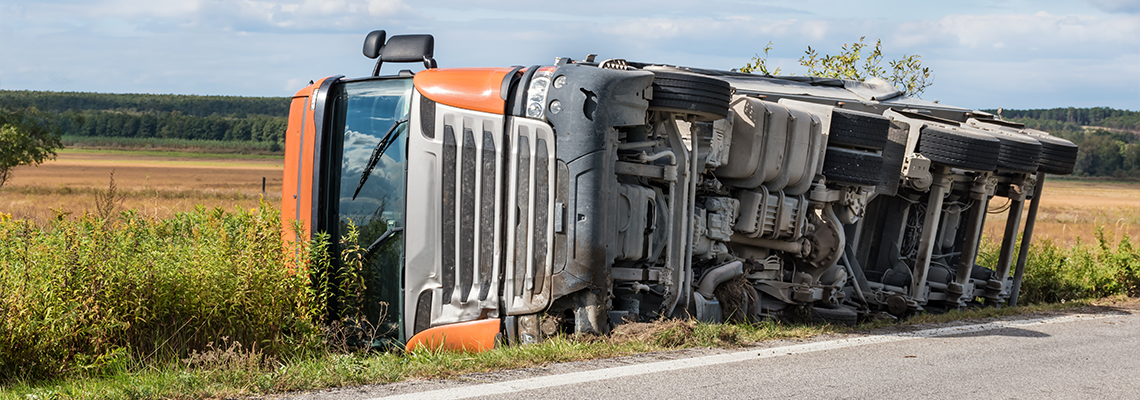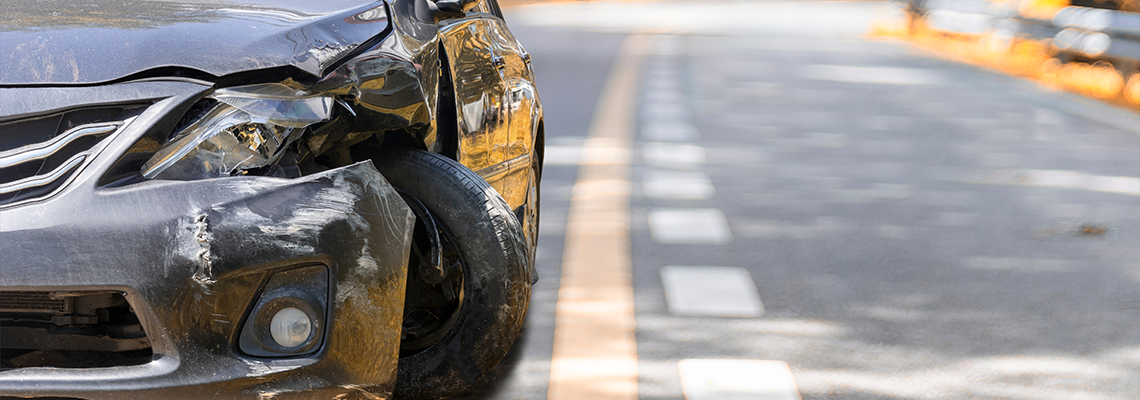
A car accident can turn your life upside down. Beyond the physical pain and emotional distress, there’s often confusion about what comes next—medical bills, missed work, insurance calls, and uncertainty about fault. Many people feel overwhelmed trying to figure out how to prove what really happened. It’s not just about telling your side of the story; it’s about backing it up with the right evidence at the right time.
Harris & Hart Attorneys at Law works with Kansas and Missouri residents facing these challenges after a car accident, helping them gather the proof needed to support their claims and pursue fair compensation. Whether you're dealing with serious injuries or mounting financial stress, having a clear understanding of what evidence matters can make a meaningful difference.
The firm assists clients throughout Kansas City, Overland Park, Johnson County, Leavenworth County, Linn County, Miami County, Wyandotte County, Douglas County, and in Missouri, including Kansas City, Lee’s Summit, Independence, Cass County, Jackson County, Clay County, Platte County, Johnson County, and Ray County. Reach out to discuss your car accident claim.
Why Evidence Matters in a Car Accident Claim
In any car accident claim, liability—or legal responsibility—is the central issue. Insurance companies and courts rely heavily on evidence to determine who caused the crash and to what extent. Without sufficient proof, even a valid claim can be challenged or undervalued.
Evidence helps establish key elements such as:
Duty of care: Every driver has a responsibility to operate their vehicle safely.
Breach of duty: A driver failed to act responsibly, such as by speeding, texting, or driving distracted.
Causation: That failure directly caused the car accident.
Damages: The accident resulted in measurable harm, such as injuries or financial losses.
An experienced lawyer can help connect these elements using credible documentation and testimony. The stronger the evidence, the harder it becomes for insurers to dispute liability.
Types of Physical and Documentary Evidence That Strengthen a Claim
After a car accident, physical and written records often provide the most objective account of what happened. These materials can corroborate your version of events and reveal details that might otherwise be overlooked.
Key forms of physical and documentary evidence include:
Police reports: Law enforcement officers typically document the scene, note traffic violations, and may include an initial assessment of fault. While not definitive, these reports carry significant weight.
Photographs and videos: Images of vehicle damage, skid marks, road conditions, and injuries can provide a visual timeline of the car accident. Dashcam footage or nearby surveillance can be especially valuable.
Medical records: These documents link injuries directly to the car accident and detail the extent of treatment required. They also help demonstrate the seriousness of the harm suffered.
Repair estimates and bills: Documentation of vehicle damage and repair costs supports claims for property loss and can help illustrate the force of the collision.
Accident scene notes: Personal notes taken shortly after the car accident—such as weather conditions or driver behavior—can serve as helpful reminders when recalling details later.
Together, these forms of evidence help build a strong foundation for your claim by supporting both liability and the extent of your damages. Clear documentation can strengthen your position during negotiations and reduce the risk of disputes over what happened or the extent of your impact. Gathering and preserving this evidence early may also help the claims process move more efficiently and avoid delays.
Witness Testimony and Expert Input
While physical evidence tells part of the story, testimony from others can fill in important gaps. Witnesses and professionals can provide perspectives that reinforce your claim and clarify what happened during the car accident. Important sources of testimony include eyewitness accounts, passenger statements, accident reconstruction specialists, medical professionals, and vocational experts or financial professionals.
Testimony adds depth to the claim and can help clarify conflicting accounts. When combined with physical evidence, it strengthens the overall case. Ultimately, having credible voices supporting your version of events can influence how insurers and courts view liability.
Proving Negligence Through Traffic Laws and Driver Behavior
To establish liability in a car accident, it’s often necessary to show that a driver acted negligently. This typically involves demonstrating that they violated traffic laws or failed to act with reasonable care. Traffic law violations, such as running a red light or speeding, serve as objective benchmarks for negligence.
When a driver ignores these established rules, it provides concrete proof of a breach of duty. In legal terms, this is often referred to as negligence per se, meaning the violation itself establishes that the driver failed to meet the required standard of care for public safety.
Evidence of negligence may include traffic citations, cell phone records, toxicology reports, vehicle data records, or driving history. These forms of evidence help establish that a driver failed to uphold their duty of care. When negligence is clearly demonstrated, it becomes easier to hold the responsible party accountable. Proving negligence is often one of the most critical aspects of a car accident claim. Without it, assigning liability becomes far more difficult.
Moving Forward After a Car Accident With the Right Support
Harris & Hart Attorneys at Law helps Kansas and Missouri residents take informed steps after a car accident, guiding them through gathering evidence and building a strong claim. The firm works with clients across Kansas City, Overland Park, Johnson County, Leavenworth County, Linn County, Miami County, Wyandotte County, Douglas County, and in Missouri, including Kansas City, Lee’s Summit, Independence, Cass County, Jackson County, Clay County, Platte County, Johnson County, and Ray County. Call today for legal guidance.